



Is the coverslip thickness important when using inverted microscopy, and are different thicknesses available?
Yes, the coverslip thickness is critical for the image quality using inverted microscopy. Because the objective lens images the sample through the coverslip bottom of the vessel, the coverslip thickness must match the optical specifications of the objective lens. A mismatch between objective and coverslip thickness can lead to optical aberrations, reduced resolution, and impaired focusing, particularly when using high-NA objectives.
Why Coverslip Thickness Matters in Inverted Microscopy
The thickness of the coverslip is a crucial parameter for high-resolution imaging. Most objective lenses are designed for No. 1.5/1.5H coverslips. Deviations from this thickness can lead to optical aberrations, such as spherical and chromatic aberrations, resulting in reduced image quality.
If thinner or thicker substrates are used, correction collars on the objective lens may be required to compensate for these deviations and to maintain optimal imaging performance.
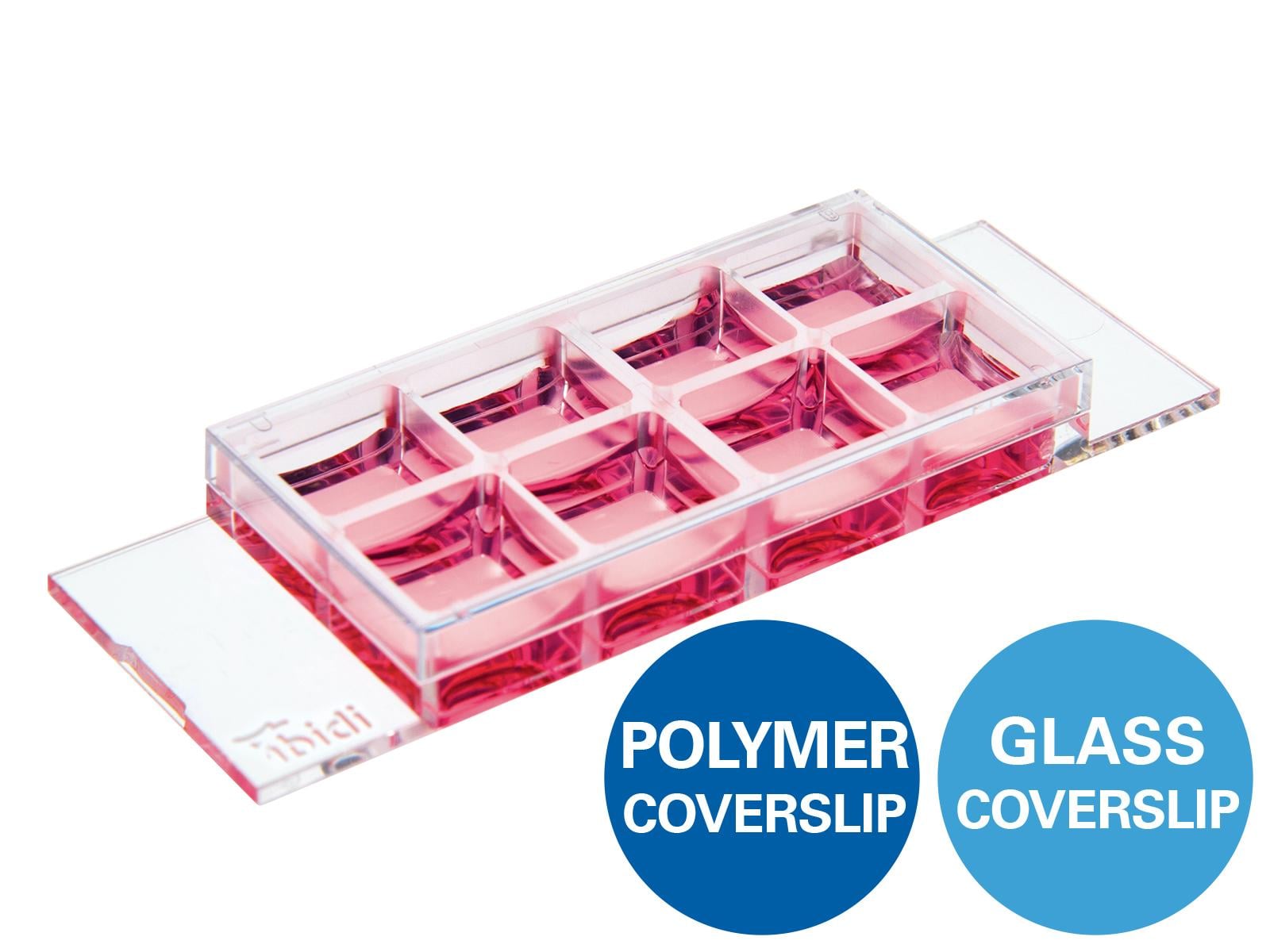
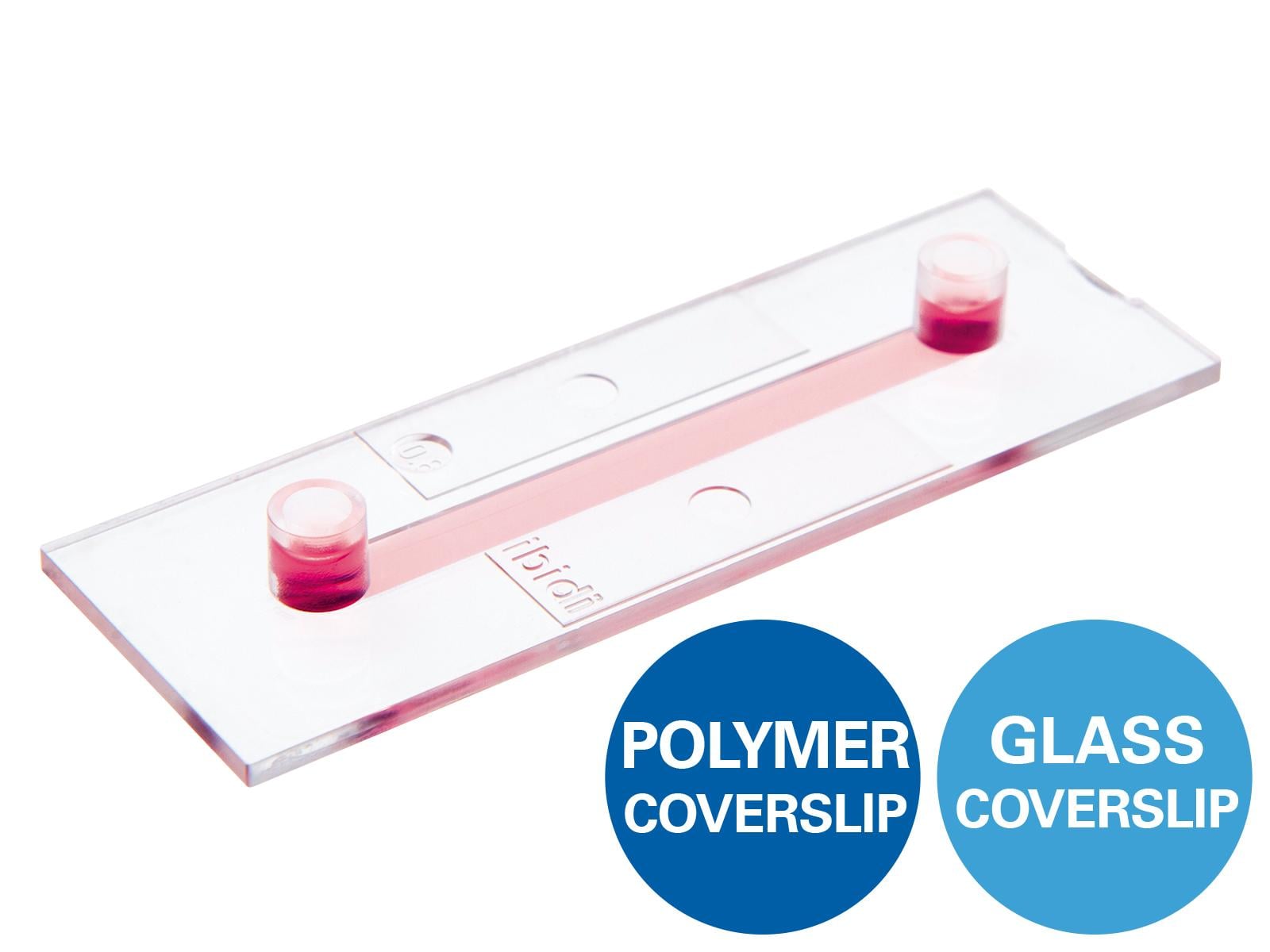
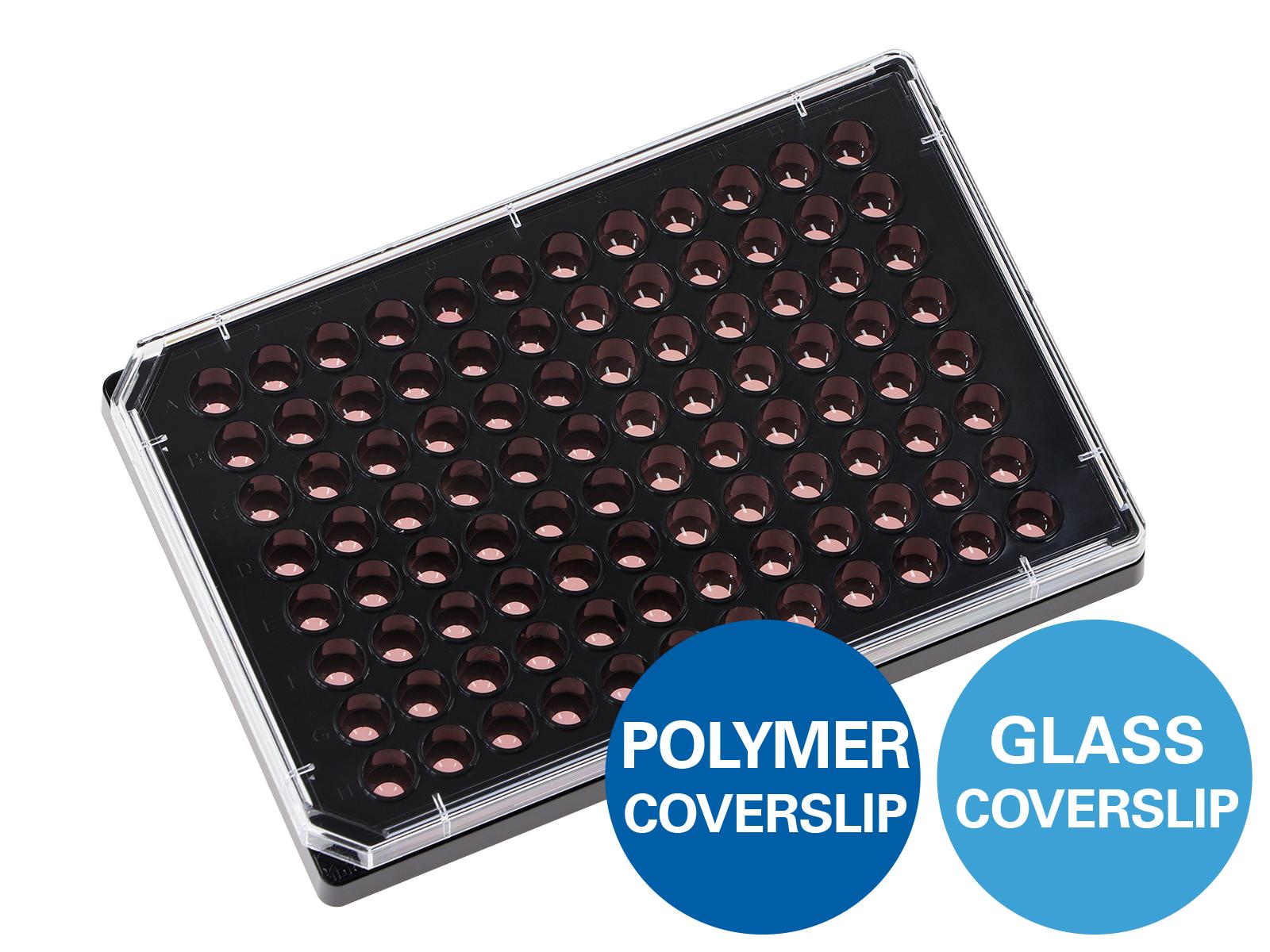
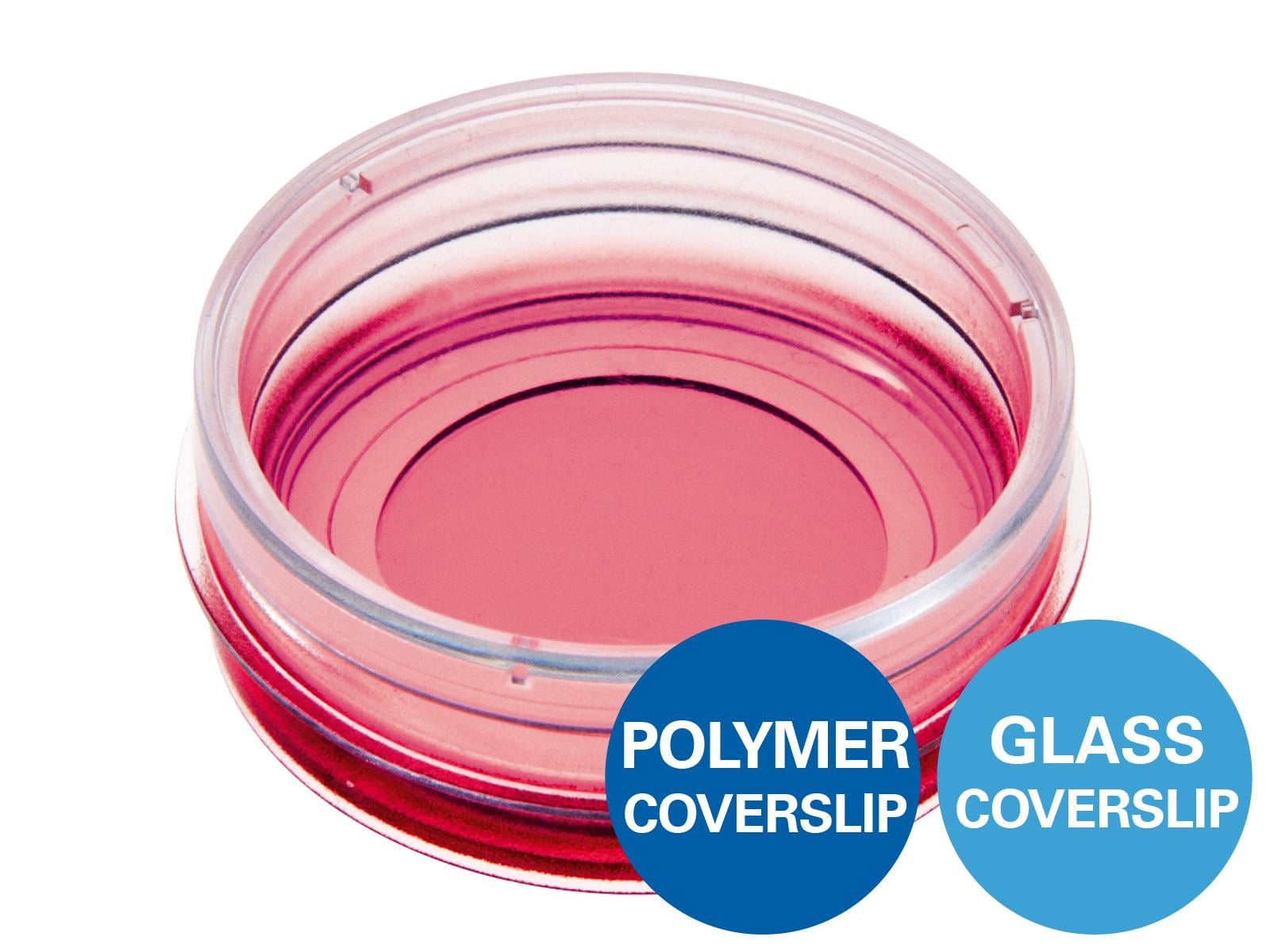
ibidi offers imaging chambers with optically optimized thin bottoms:
- ibidi Polymer Coverslip (#1.5): 180 µm (+10/–5 µm), ideal for everyday high-resolution and live cell imaging
- ibidi Glass Coverslip (#1.5H): 170 µm (+/–5 µm), optimized for demanding applications such as TIRF or super-resolution microscopy as well as for everyday high-resolution and live cell imaging
Further details on material-dependent optical properties of the ibidi labware can be found in the comparison of material specifications, which outlines differences between polymer and glass coverslip bottoms and their impact on microscopy.
Overview of Typical Coverslip Thicknesses
No. 1.5 and No. 1.5H coverslips are the most widely used formats in microscopy because they provide a good balance between optical performance and mechanical stability. Their thickness is close to 170 µm, which is the correction standard for many high-NA microscope objectives. Thinner or thicker coverslips can still be used, but optimal imaging may require objectives designed for different coverslip thicknesses or objectives with correction collars.
| No. | Thickness | Tolerance | Usage |
| No. 0 | 0.08–0.12 mm | ± 20 µm | Specialized imaging when a very short working distance is needed |
| No. 1.0 | 0.13–0.16 mm | ± 15 µm | Standard microscopy, but less commonly used |
| No. 1.5 | 0.16–0.19 mm | ± 15 µm | Most commonly used for various microscopy techniques |
| No. 1.5 ibidi Polymer Coverslip | 0.175–0.19 mm | +10/–5 µm | Break-resistant, glass-free alternative optimized for various microscopy techniques |
| No. 1.5H | 0.165–0.175 mm (e.g., ibidi Glass Coverslip) | ± 5 µm | Super-resolution, TIRF, but can also be used for standard techniques |
| No. 2.0 | 0.19–0.23 mm | ± 20 µm | When robust handling is needed |