





16th ibiTea on March 25, 2026: This event took place in the past, the registration is closed.
3D Model of Adhesive Peptidyl Liposomes for Harnessing Monocyte Homing to Tumor Tissues
Presented by Dr. Bill Cheng, Graduate Institute of Biomedical Engineering, National Chung Hsing University (NCHU), Taiwan
ibiTea Topic Outline
In the 16th ibiTea, Bill Cheng will introduce his latest publication, which illustrates a successful model of how immune cell trafficking can contribute to efficient transport of drugs in the body during chronic disease.
Conventional drug delivery relies largely on passive tissue infiltration, limiting targeting efficiency. To address this challenge, they developed monocyte-mediated drug carriers (MMDCs) that exploit the innate homing ability of circulating monocytes. MMDCs effectively hitchhike on monocytes under physiological flow conditions and undergo trans-endothelial migration in a 3D microfluidic tumor model.
MMDCs selectively targeted cancer-containing matrices but not non-cancerous controls. Following phagocytosis by monocyte-derived macrophages, MMDC-encapsulated doxorubicin was efficiently released. MMDCs exhibited markedly enhanced tumor targeting and therapeutic efficacy in vivo, demonstrating the potential of monocyte-hitchhiking delivery to improve drug biodistribution and treatment outcomes.
The following ibidi solutions contributed to the experiments:
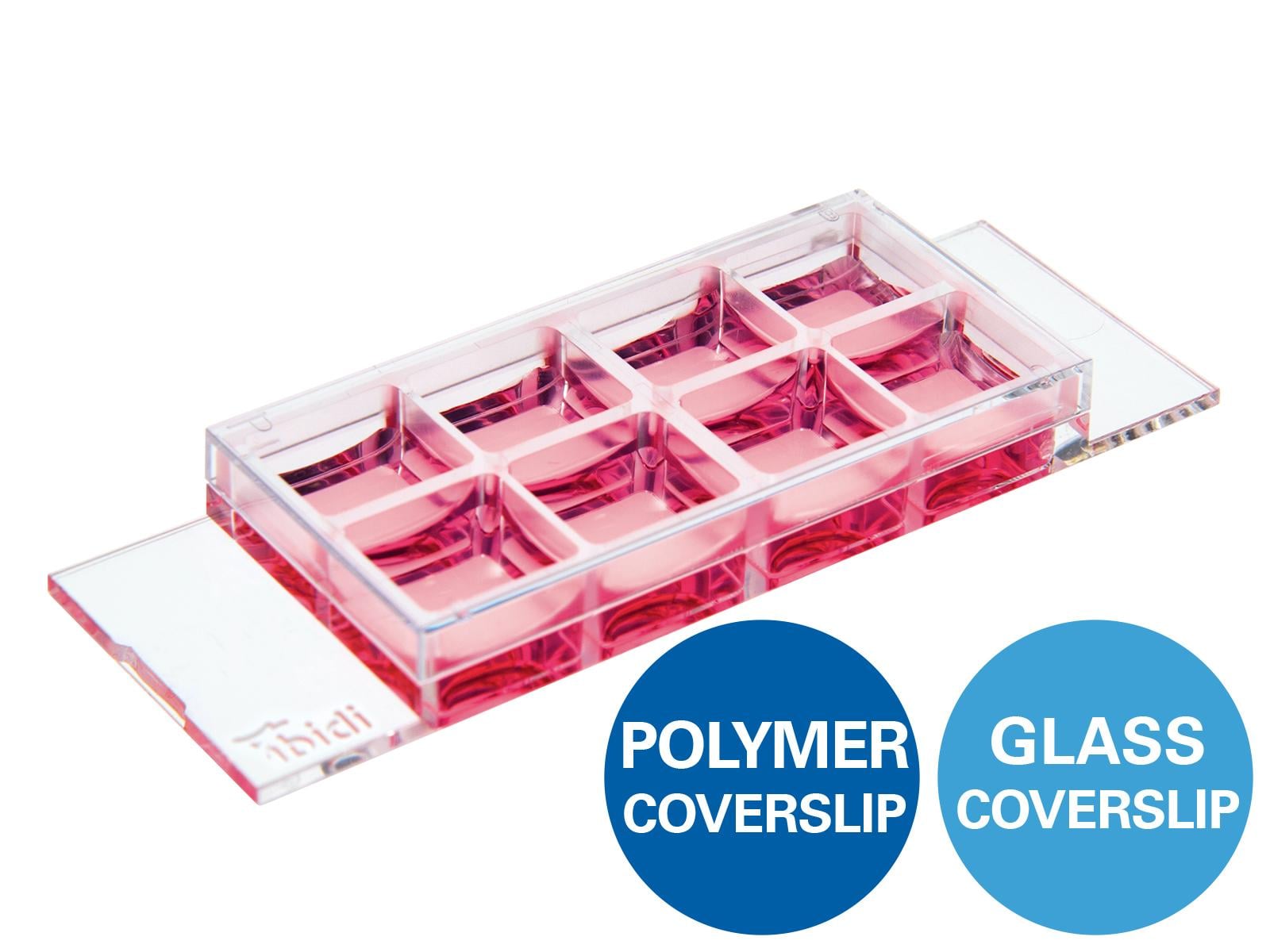
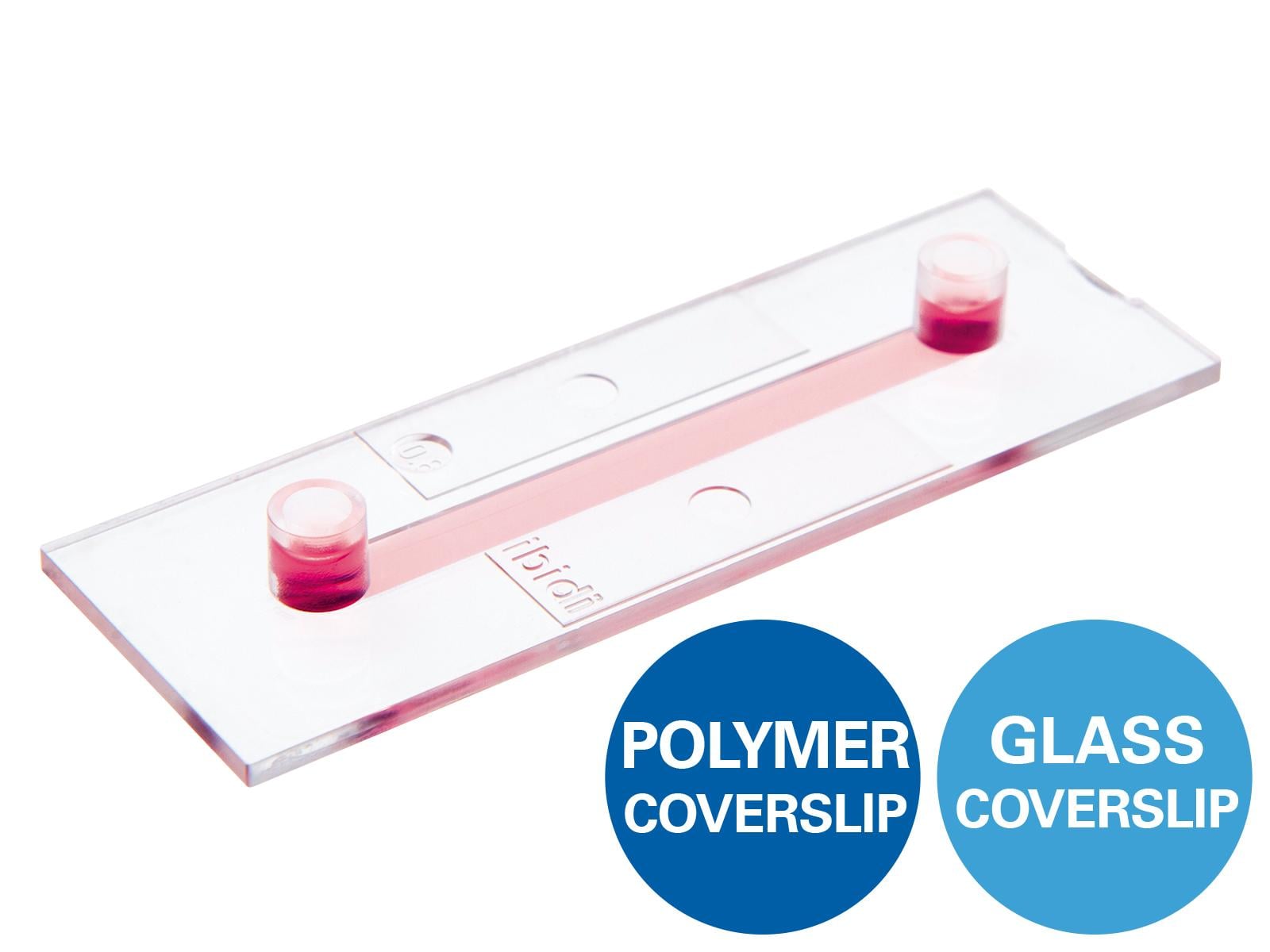
µ-Slide I Luer 3D, µ-Slide I 0.8 Luer, ibidi Pump System, Collagen Type I

Human monocytes (1x10⁵ cells) that carry green fluorescent proteins were injected into a microfluidic system's chamber slide at ~9 dyn/cm2 wall shear stress. The cells were allowed to re-circulate through the chamber slide at 37˚C for 30 minutes. Subsequently, MMDCs (1x10¹¹ particles) were injected into the chamber slide and were allowed to circulate through the slide continuously at 37˚C for 4 hours. The interactions between the MMDCs (red) and circulating monocytes (green) were monitored with a confocal microscope. PEGylated liposomes with no peptide conjugation were used as the control group. Scale bar, 25 µm.
Speaker
Dr. Bill Cheng
National Chung Hsing University, Taiwan
Bill Cheng received his PhD from the Graduate School of Biomedical Engineering at the University of New South Wales (UNSW), Sydney, Australia, in 2012. He is currently a faculty member at the Graduate Institute of Biomedical Engineering, National Chung Hsing University (NCHU), Taiwan. His primary research interest is harnessing immune cell trafficking for drug delivery in chronic diseases.
