




What is a gradient and how does it differ from a concentration profile in chemotaxis assays?
When performing chemotaxis assays, the terms gradient and concentration profile are often confused with each other.
Concentration Profile vs. Gradient
A concentration profile describes the distribution of a concentration, for example of a specific compound or chemoattractant, over a certain distance. The gradient is the slope at one particular point of this concentration profile.
In a linear concentration profile, the gradient, or slope, is identical at all positions, whereas the absolute concentration changes along the distance. When there are no concentration differences, the gradient is 0.
Why This Matters in Chemotaxis Assays
In chemotaxis assays, cells respond to concentration differences of a chemoattractant rather than to the absolute concentration alone. Therefore, understanding the difference between the concentration profile and the gradient is important for interpreting directed cell migration.
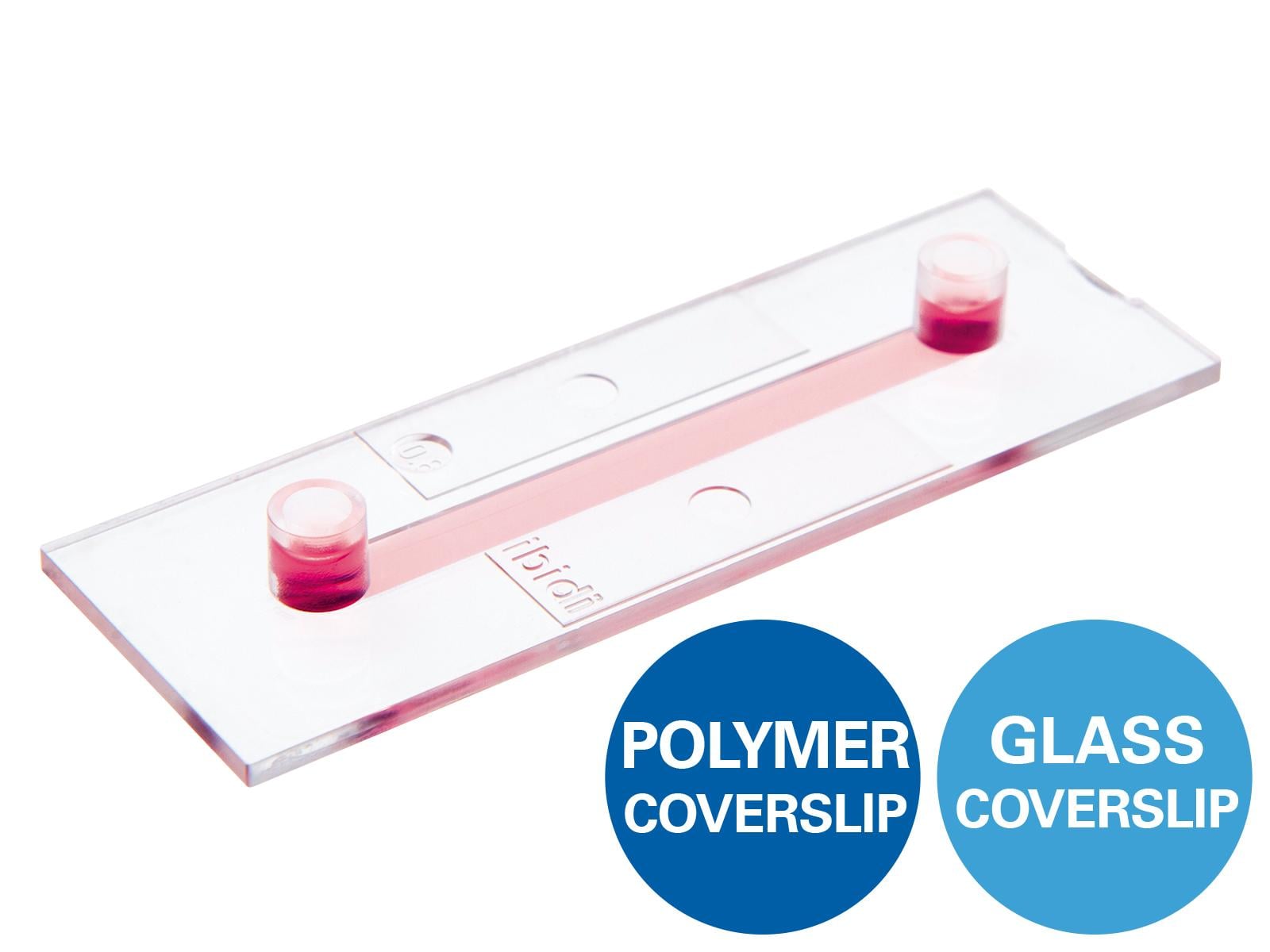
For controlled and reproducible gradient generation, specialized systems such as the µ-Slide Chemotaxis can be used to establish stable and defined concentration profiles.