



Cells under Perfusion
Perfusion-based cell culture uses controlled medium flow to support nutrient transport, culture maintenance, and exposure to soluble factors or compounds. From adherent cell layers to spheroids, organoids, and tissue constructs, it connects dynamic culture conditions with live cell imaging and cell-based assays.
Choose a setup around your biological question: maintain a model over time, deliver a treatment, or connect communicating cell populations. The effect of perfusion depends on the culture geometry, medium replacement strategy, and the needs of the cells.
Explore this chapter: Cells under Perfusion | Principle | Experimental Workflow | Applications and Experimental Examples
Principle
Understand medium transport, single-pass and recirculating operation, and the relationship between perfusion and shear stress.
Experimental Workflow
Select the chamber and circuit, prepare the culture, establish flow, and plan imaging, sampling, and controls.
Applications and Experimental Examples
Explore spheroid maintenance, organoid models, drug delivery, and tissue engineering through experimental examples.
Choose the Approach for Your Research
| Your Experimental Goal | Where to Start |
|---|---|
| Supply medium around cells or 3D constructs; control exposure over time | Perfusion-Based Cell Culture |
| Measure responses to a defined mechanical stimulus | Wall Shear Stress and Flow Types |
| Choose or generate a spheroid, organoid, or matrix-based model | 3D Cell Culture |
ibidi Solutions for Cell Culture Under Perfusion
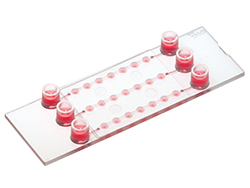
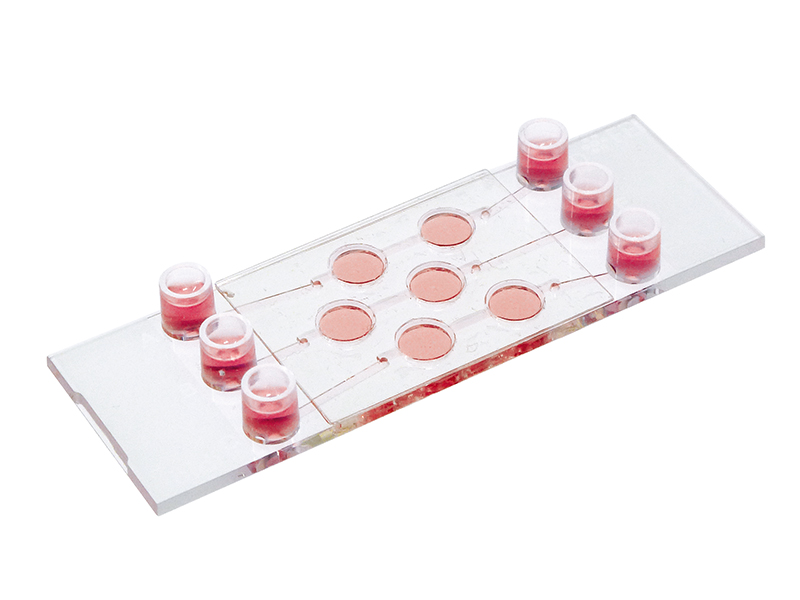
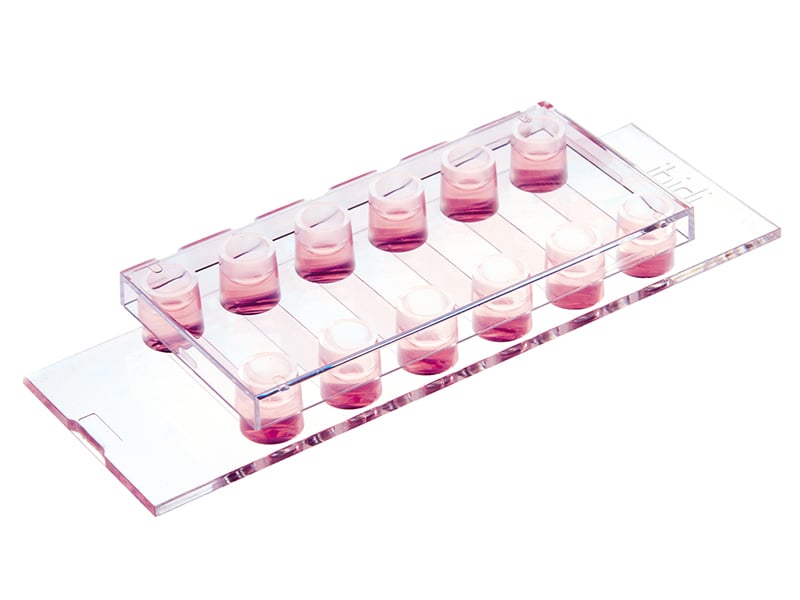
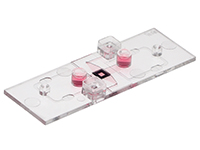
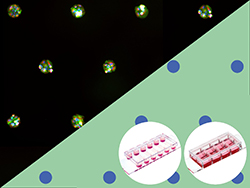
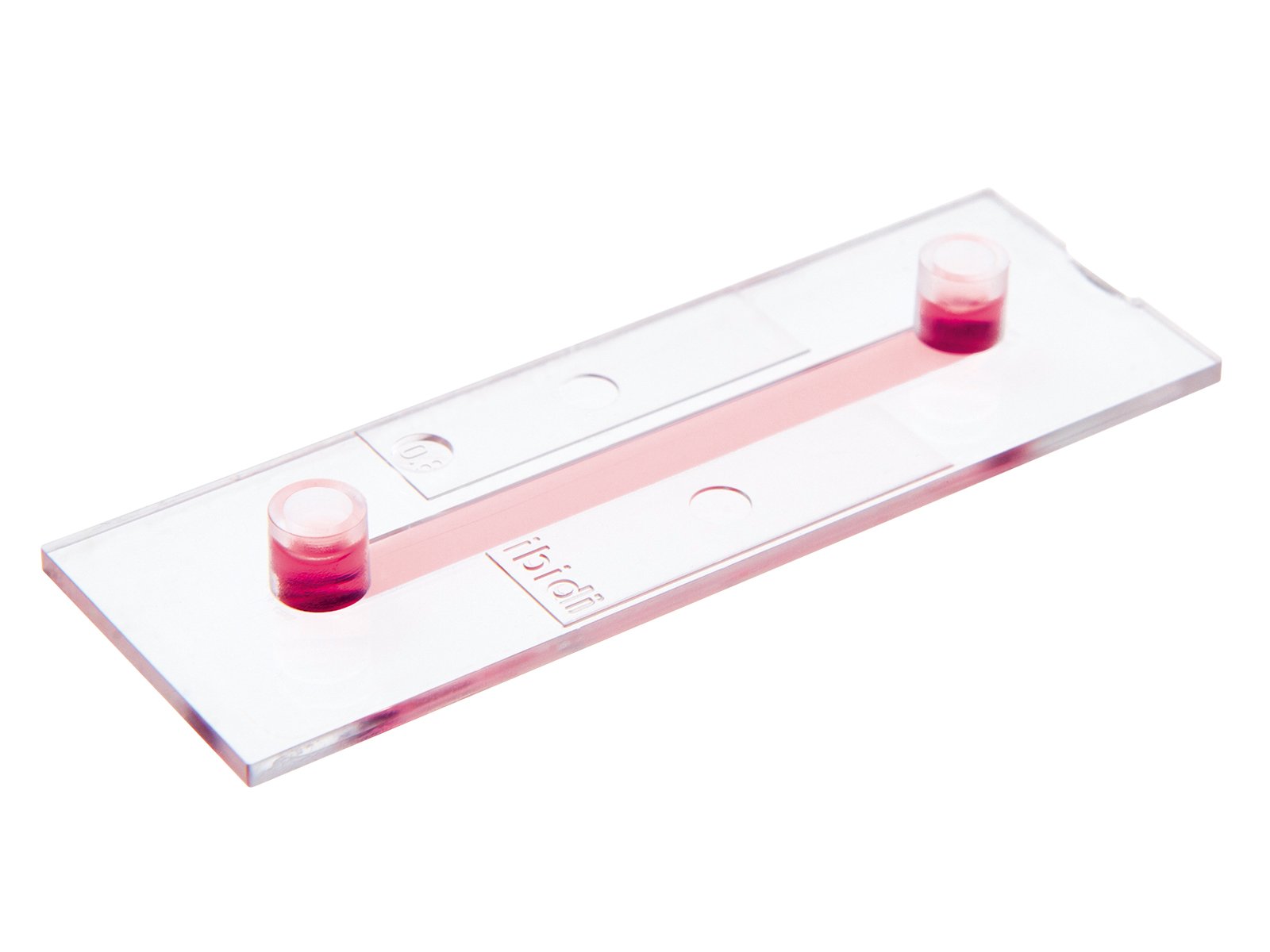
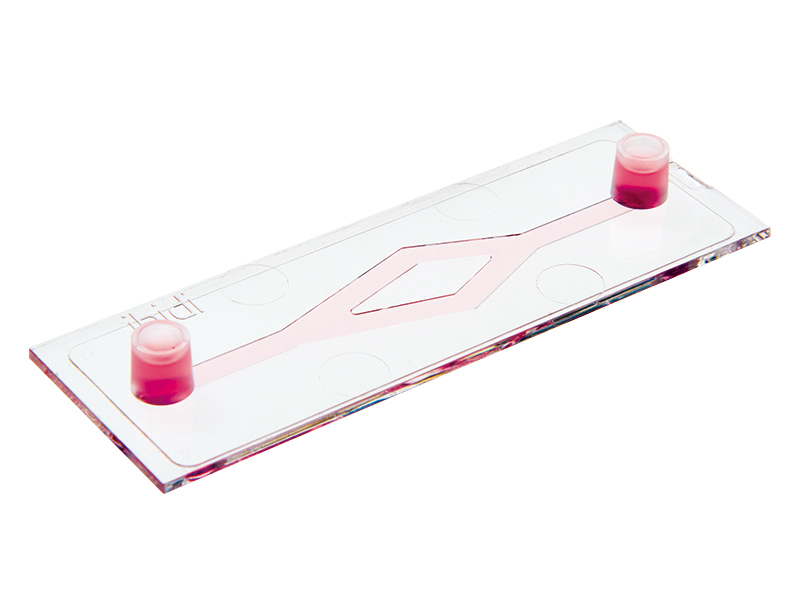
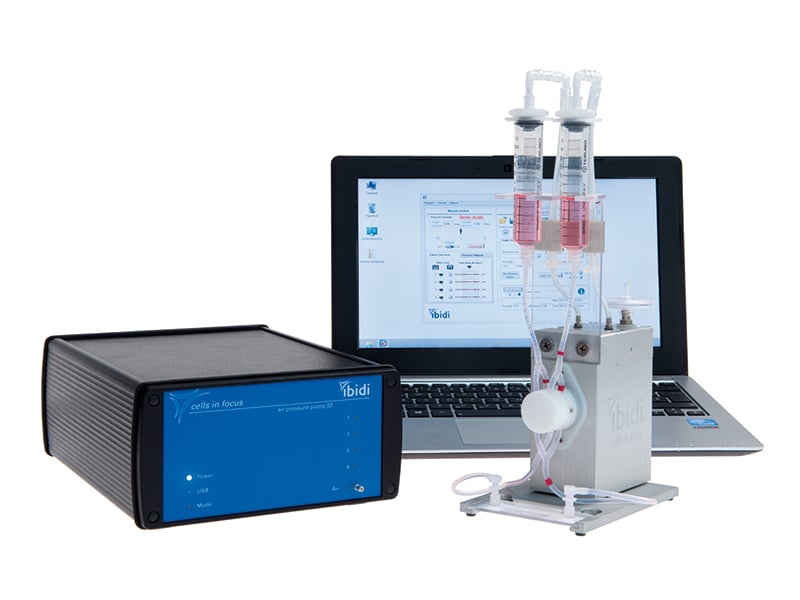
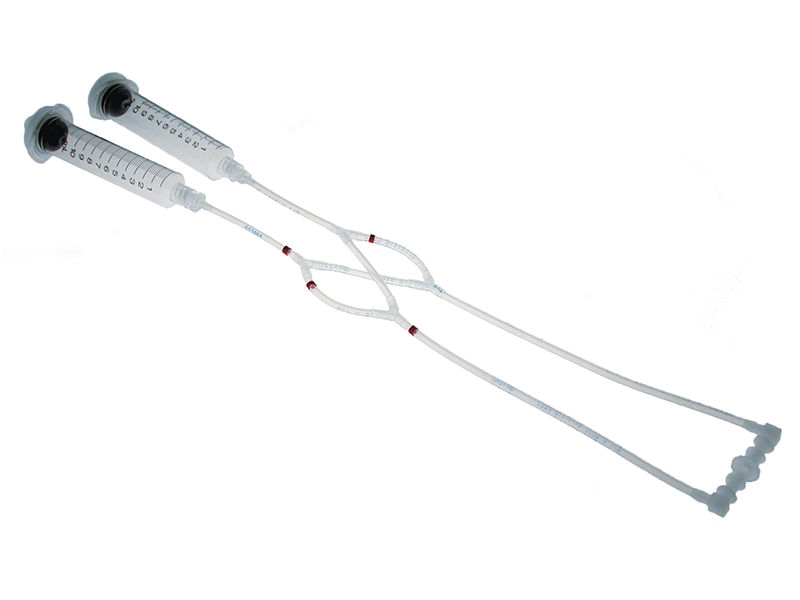
Select the format using the culture chamber comparison and the relevant product instructions.