



Transfection: Principles and Methods
Transfection is the introduction of nucleic acids, such as plasmid DNA, cDNA, mRNA, miRNA, or siRNA, into eukaryotic cells. Viral delivery of genetic material is generally referred to as transduction. Related delivery approaches can also be used to introduce proteins, nanoparticles, beads, or dyes into cells.
In cell biology, transfection is widely used for gene silencing via RNA interference (RNAi), gene editing using CRISPR/Cas9, and overexpression studies. The optimal method depends on the cell type, cargo, required duration of expression, transfection efficiency, cell viability, and experimental workflow.
Kim T.K., Eberwine J.H. Mammalian cell transfection: The present and the future. Anal Bioanal Chem, 2010, 10.1007/s00216-010-3821-6
Read article
Transfection Methods at a Glance
Transfection and gene delivery methods can be grouped into chemical transfection, viral transduction, and physical transfection.
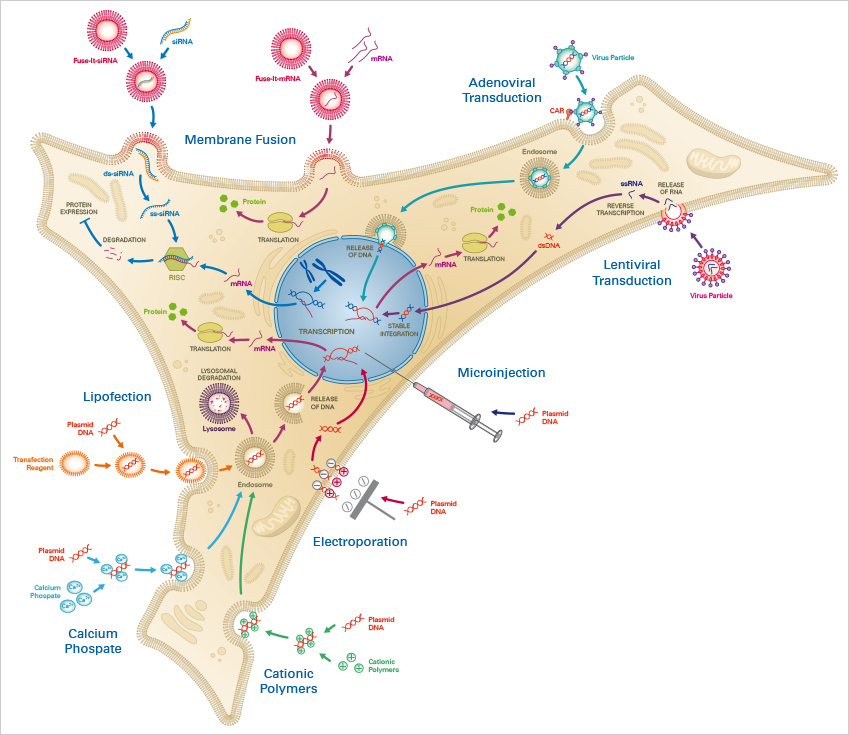
Overview of chemical, viral, and physical transfection methods.
Chemical Transfection
Chemical transfection uses carrier molecules or precipitates to facilitate the uptake of nucleic acids or other cargo into cells.
Membrane Fusion
Fusogenic liposomal carriers can be used to transfer mRNA, siRNA, proteins, beads, dyes, and other molecules into dividing and non-dividing cells. Depending on the formulation and cell type, membrane fusion can enable rapid delivery into the cytoplasm.
Principle: Liposomal carriers, which consist of neutral and cationic lipids, are used to transfer the molecule of interest via membrane fusion into the cell. The molecules are first incorporated into the liposomal carriers, which upon contact, instantly fuse with the cell membrane. The included molecules are then directly released into the cytoplasm without processes such as endocytosis and lysosomal degradation.
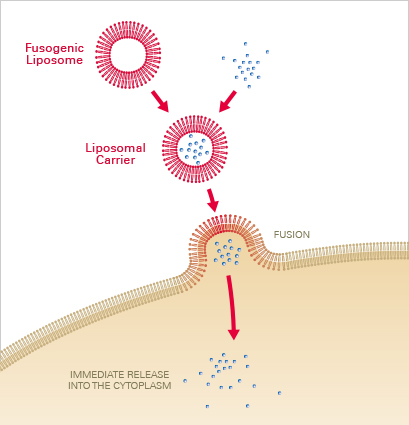
Principle of membrane fusion.
 | Find suitable products and more detailed information at |
Hoffmann M., et al. Changing the Way of Entrance: Highly Efficient Transfer of mRNA and siRNA via Fusogenic Nano-Carriers. J Biomed Nanotechnol, 2019, 10.1166/jbn.2019.2663
Read article
Csiszár A., et al. Novel Fusogenic Liposomes for Fluorescent Cell Labeling and Membrane Modification. Bioconjug Chem, 2010, 10.1021/bc900470y
Read article
Lipofection
Lipofection is commonly used to transfer nucleic acids such as RNA or DNA into eukaryotic cells. After protocol optimization, this method is easy to apply and yields highly reproducible results of transient and stable transfections. However, lipofection efficiency strongly depends on the cell type and has to be tested and optimized in advance. Especially for primary and non-dividing cells, the viability after the transfection process might be decreased due to the high cellular sensitivity. In contrast to membrane fusion, lipofection is based on endosomal molecule uptake, which might delay the time of analysis.
Principle: Usually, a mixture of neutral and cationic liposomes forms complexes with the nucleic acids of interest. These complexes are taken up by the cells via endocytosis. The nucleic acids then either successfully escape the endosome or undergo lysosomal degradation, of which the latter might lead to reduced transfection efficiency. After endosomal escape, the nucleic acid can exert its intended function in the target cells.
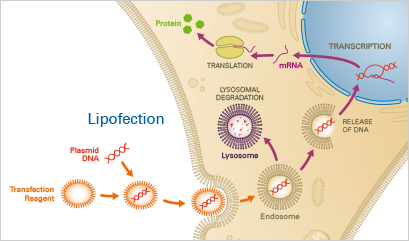
Principle of lipofection.
Felgner P.L., et al. Lipofection: a highly efficient, lipid-mediated DNA-transfection procedure. Proc Natl Acad Sci U S A, 1987, 10.1073/pnas.84.21.7413
Read article
Calcium Phosphate
Calcium phosphate transfection is an inexpensive and established method for nucleic acid delivery into many cell lines. Efficiency depends on factors such as cell condition, pH, and the amount and quality of nucleic acid, and the method can reduce viability in sensitive cells.
Principle: Nucleic acids form a precipitate with calcium and phosphate that is taken up by cells, mainly through endocytosis. Successful endosomal escape enables subsequent expression of the delivered nucleic acid.
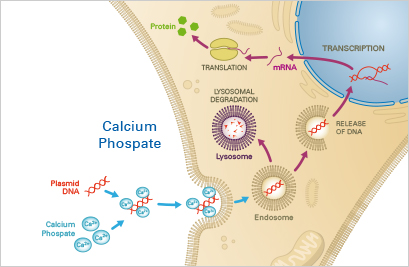
Principle of calcium phosphate transfection.
Cationic Polymers
Using cationic polymers, nucleic acids can be transiently transfected into eukaryotic cells in an inexpensive and simple manner. After protocol optimization, the results can be easily reproduced. Transfection efficiency and cytotoxicity depend on the polymer, dose, cell type, and protocol and can limit their use in sensitive cells.
Principle: The negatively charged nucleic acid backbones form complexes with cationic polymers, such as diethylaminoethyl (DEAE)-dextran. The complex is then taken up by the cells, mostly via endocytosis. If no lysosomal degradation occurs, the nucleic acid can escape from the endosome into the cytosol of the host cells, subsequently resulting in transgene expression.
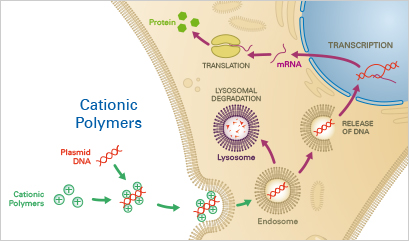
Principle of cationic polymer-mediated transfection.
Viral Transduction
The term "transduction" is used to describe virus-mediated transfer of nucleic acids into cells. In contrast to non-viral transfection, no transfection reagent is needed. Viral vectors enter target cells and deliver their genetic material, which is subsequently expressed by the host cell. The exact intracellular pathway depends on the vector type.
Adenoviral Transduction
Adenoviral vectors have proven to be a very successful transduction tool in many eukaryotic cell types, such as human and rodent cells. Besides dividing cell lines, this method gives access to difficult-to-transfect cells, such as primary cells. Adenovirus-mediated transduction typically results in transient expression because the delivered DNA generally remains episomal rather than integrating into the host genome. High transduction efficiencies can be achieved, depending on the cell type and vector. Appropriate biosafety requirements depend on the vector system and institutional regulations.
Principle: Adenoviruses are a class of double-stranded DNA viruses that efficiently deliver genetic material into target cells. Commonly used adenovirus serotypes such as Ad5 initially bind to the Coxsackievirus and adenovirus receptor (CAR) on the cell membrane and enter the host cell via endocytosis. Following endosomal escape, the viral genome is transported into the nucleus, where it is expressed by the transcriptional machinery of the host cell. The adenoviral DNA generally remains episomal, i.e., it is not integrated into the host genome. Nowadays, replication-deficient adenoviruses are widely used for transduction and gene therapy due to their high transduction efficiency.
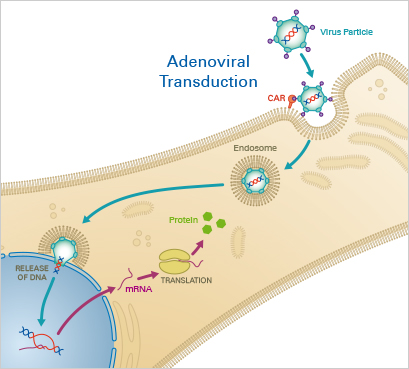
Principle of adenoviral transduction.
Lee C.S., et al. Adenovirus-mediated gene delivery: Potential applications for gene and cell-based therapies in the new era of personalized medicine. Genes Dis, 2017, 10.1016/j.gendis.2017.04.001
Read article
Lentiviral Transduction
Recombinant lentiviral vectors are powerful tools for gene transfer with some advantages over other delivery vectors: Besides cells that undergo mitosis, they also have the ability to transduce non-dividing cells. Further, lentiviruses enable stable gene transfer in vitro and in vivo, as they integrate into the host cell genome and offer the possibility of positive cell selection. They have a broad host cell range that also includes cell types such as primary neurons, lymphocytes, and macrophages. Appropriate biosafety requirements depend on the vector system and institutional regulations.
Principle: Lentiviruses—a subclass of retroviruses—have the ability to permanently integrate into the genome of the host cell. After the virus has entered the cell, the viral RNA is reverse-transcribed by reverse transcriptase to produce double-stranded DNA that enters the nucleus. Finally, the transgene is integrated into the host genome via viral integrase. When using lentiviral transduction, the user has to take into account effects caused by genomic integration.
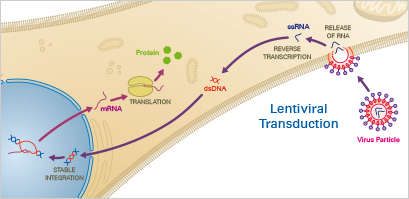
Principle of lentiviral transduction.
Sakuma T., Barry M.A., Ikeda Y. Lentiviral vectors: basic to translational. Biochem J, 2012, 10.1042/BJ20120146
Read article
Physical Transfection
Physical transfection methods introduce nucleic acids by directly accessing or transiently permeabilizing the cell membrane.
Microinjection
Microinjection allows for the efficient transfer of controlled amounts of nucleic acid into the nucleus of a specific target cell. It is a very precise but time-consuming and expensive transfection method with very low throughput. Microinjection is mostly used for special applications, such as single-cell manipulation or the generation of transgenic animals, e.g., by pronuclear injection in mice.
Principle: With this physical method, the target cell is positioned under a microscope and fixed by a pipette. The nucleic acid solution is then directly injected into the cytoplasm and/or the nucleus using a fine glass capillary needle. This precise procedure demands a rather expensive microinjection system and a lot of skill and practice. Once delivered, the nucleic acid can be expressed; stable genomic integration depends on the cargo and experimental design. Given these prerequisites, microinjection is highly effective and offers the transfer of precisely controlled amounts of nucleic acid. However, as each individual cell needs to be microinjected, this method is very time-consuming.
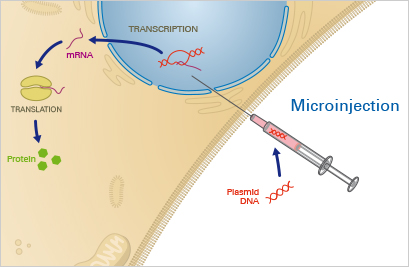
Principle of microinjection.
Electroporation
Electroporation allows for transient and stable transfection in a wide range of cell types, including many primary cells. This method is reliable, but transfection efficiency and cell viability depend strongly on the cell type and pulse conditions and therefore require optimization. Further, a specialized electroporation device is required.
Principle: During electroporation, a mixture of the cells and the nucleic acid of interest is exposed to a short electric pulse. This transiently permeabilizes the cell membrane, allowing nucleic acids in the surrounding solution to enter the cytoplasm. After the electric pulse, the cell membrane reseals and the delivered nucleic acids can exert their intended function.
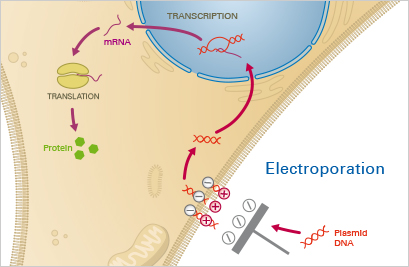
Principle of electroporation.
ibidi Solutions for Transfection
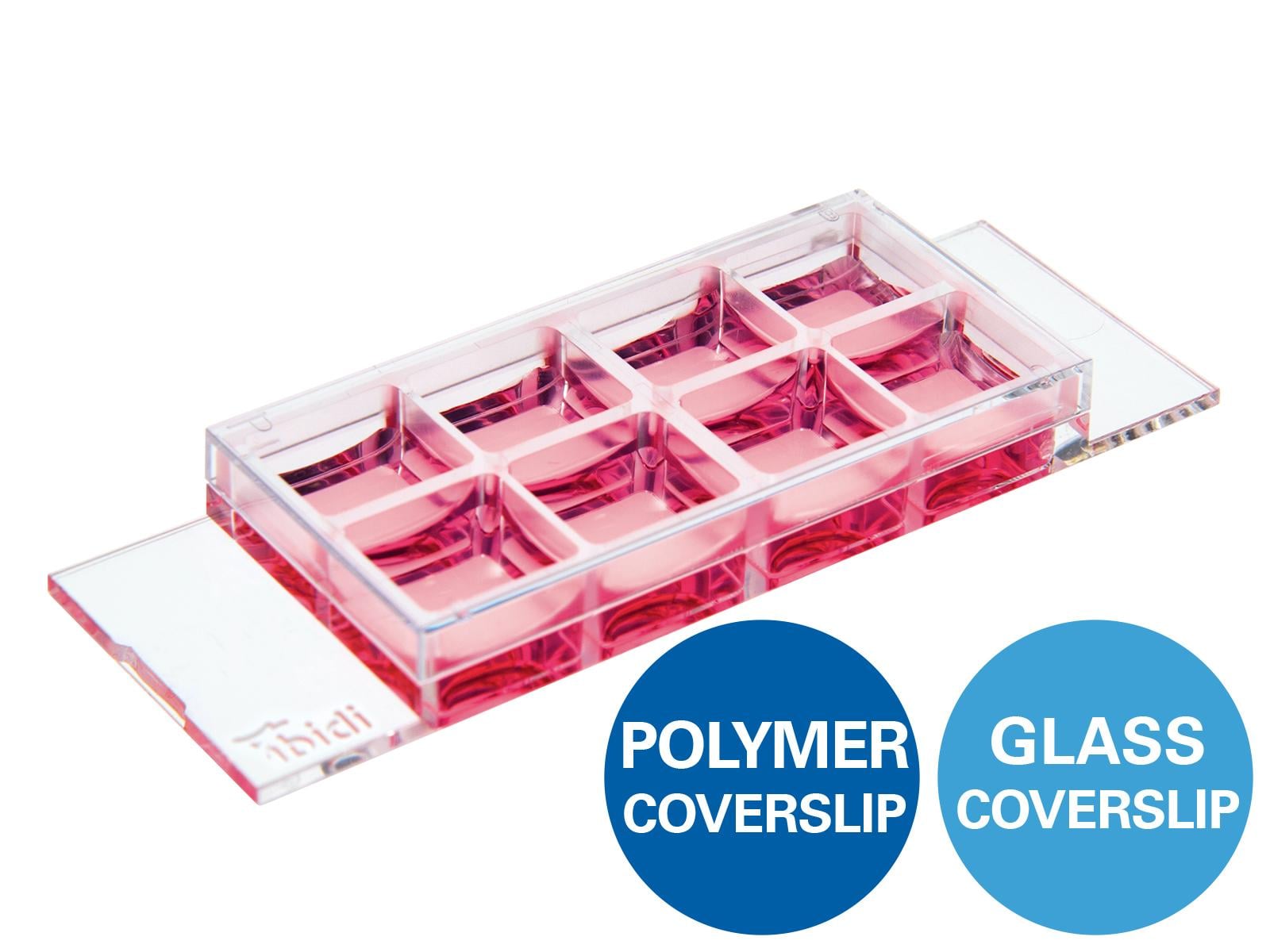
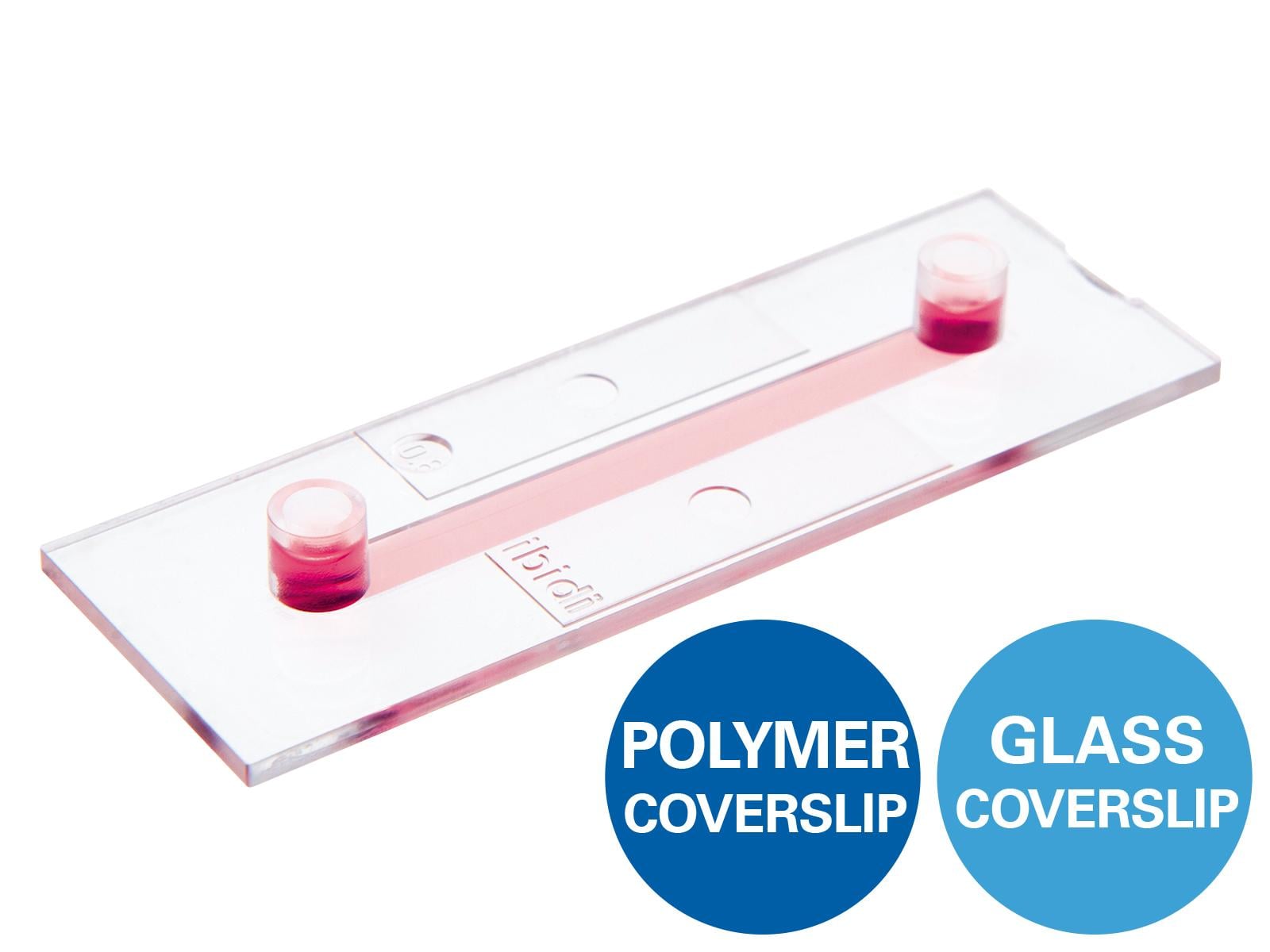
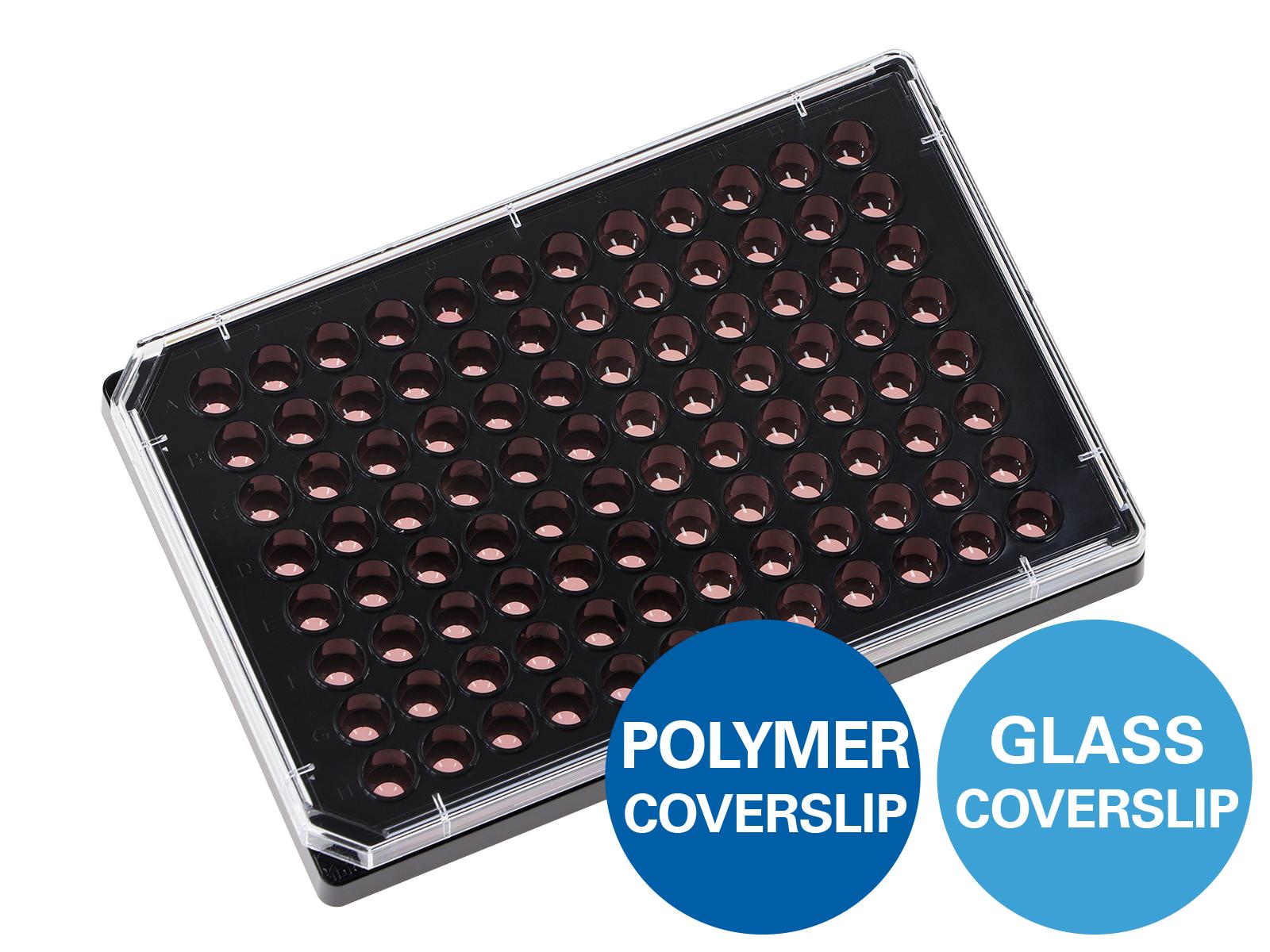
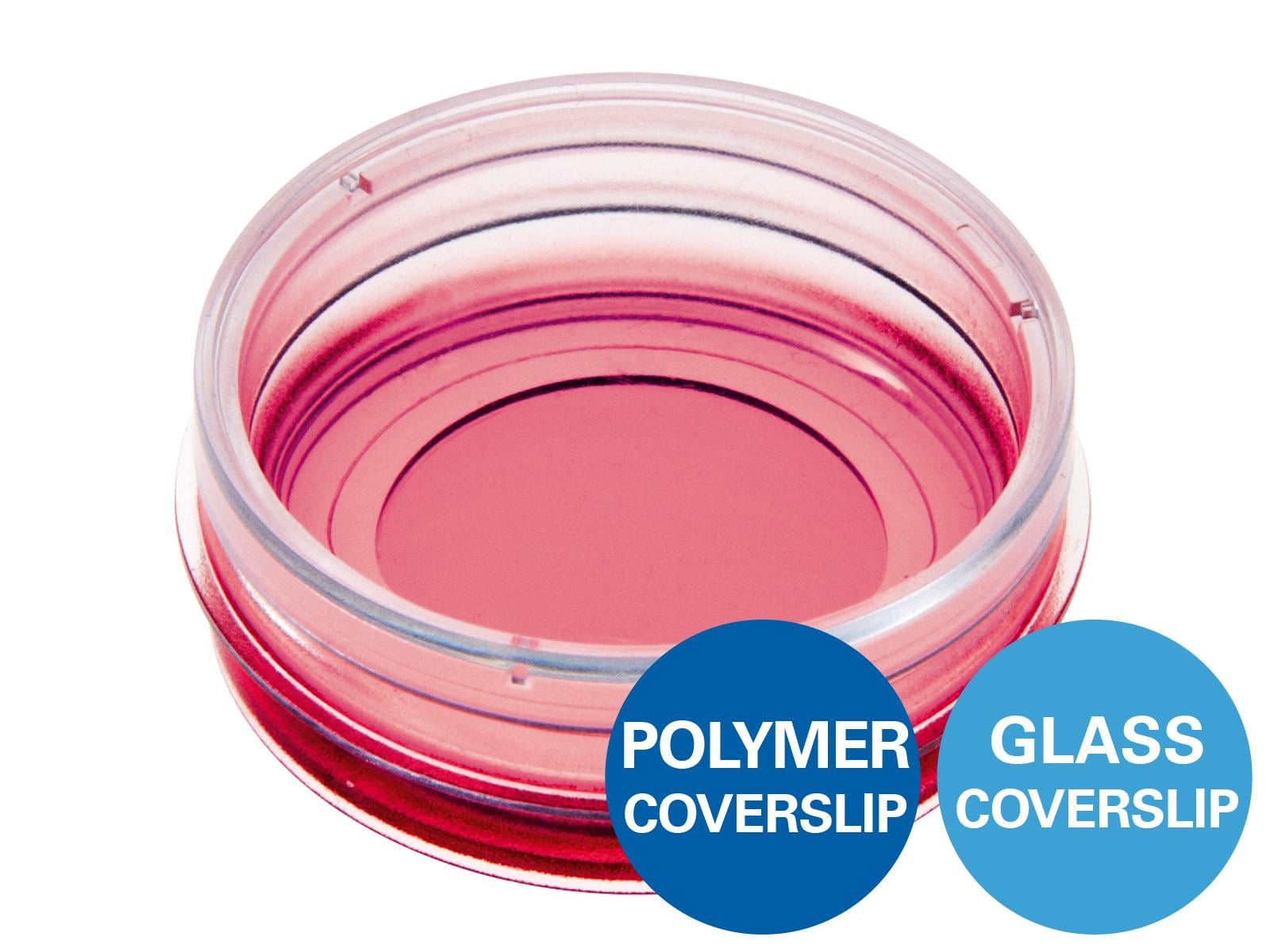
- ibidi µ-Slides, µ-Dishes, and µ-Plates support transfection and transduction workflows using different cell numbers and working volumes.
- The µ-Dish 35 mm, low provides low walls for easy access to target cells during microinjection and a coverslip bottom for direct microscopy.
- For practical information on cell transfection, download Application Note 07: Cell Transfection.